Why Fly Wind
How It Works
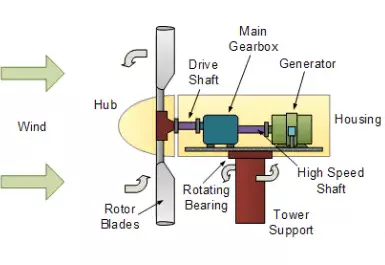
Wind turbines convert the kinetic energy of wind into electrical power through a beautifully simple yet effective process. When the wind blows, it turns the turbine's blades around a rotor, which spins a generator to create electricity. This electricity can then be used to power your home, stored for future use, or even sold back to the grid in some cases. Despite common misconceptions, modern residential wind turbines are remarkably quiet and can be designed to suit various environments, ensuring that harnessing the power of the wind is both practical and harmonious with your lifestyle.
Costs and Savings Analysis
Joseph Brown
Since installing our wind turbine, we've slashed our electricity bills by 80%, saving us over $2,000 annually. It's incredible to see such significant savings while knowing we're helping the environment.
Lindy Patel
Our wind turbine paid for itself in just four years. Now, we're enjoying nearly $3,000 in annual savings on our electricity bills. It's a win-win for us and the planet.
Fabir Ali
Our wind turbine has been a game-changer for us. It's saved us over $1,500 on electricity bills in the past year alone, making our home more energy-efficient and environmentally friendly.
Incentives and Financing
FREQUENTLY ASKED QUESTIONS
Everything wind answered.
Considering wind energy for your home might raise several questions about its feasibility and benefits. How does a wind turbine work in a residential setting? What are the initial costs and long-term benefits? How much space do you need? We delve into these questions and more, providing clear, straightforward answers that help you understand the practicality and advantages of wind energy.