The Benefits of Home Energy Audits: A Step Towards Energy Efficiency
Published on: 2024-02-25
Welcome to our discussion on the importance of home energy audits in promoting energy efficiency! In this blog post, we’ll explore the benefits of conducting a home energy audit and how it can help homeowners identify energy inefficiencies and maximize energy savings.
Understanding Home Energy Audits
A home energy audit, also known as a home energy assessment or energy evaluation, is a comprehensive inspection of a home’s energy use and efficiency. During a home energy audit, trained professionals assess various aspects of the home, including insulation, heating and cooling systems, appliances, and lighting, to identify areas where energy is being wasted and opportunities for improvement.
Benefits of Home Energy Audits
-
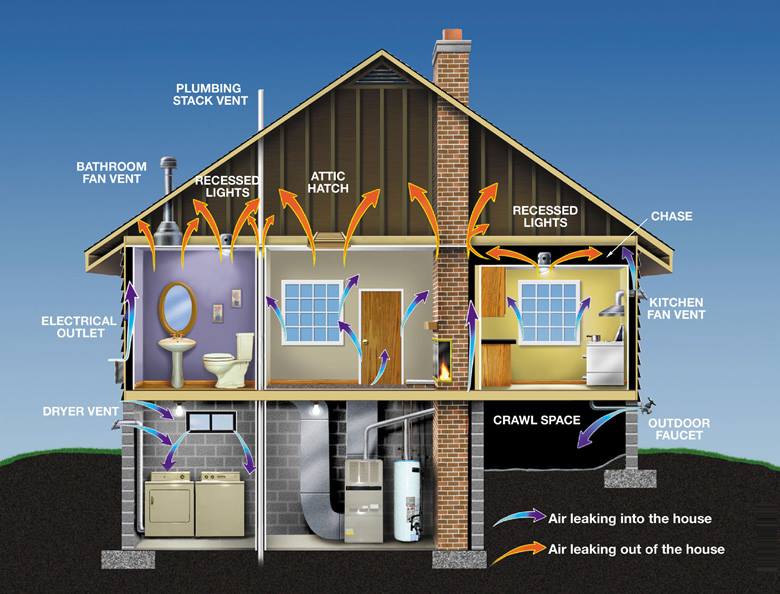
Identifying Energy Inefficiencies: A home energy audit helps homeowners pinpoint areas of energy waste and inefficiency within their homes, such as air leaks, inadequate insulation, and outdated appliances. By identifying these issues, homeowners can take targeted measures to address them and improve energy efficiency.
-
Maximizing Energy Savings: Armed with the insights from a home energy audit, homeowners can prioritize energy-saving upgrades and investments that offer the greatest return on investment. From sealing air leaks to upgrading to energy-efficient appliances, implementing the recommendations from a home energy audit can lead to significant energy savings and lower utility bills.
-
Improving Home Comfort: By addressing energy inefficiencies identified during a home energy audit, homeowners can enhance the comfort and livability of their homes. Proper insulation, efficient heating and cooling systems, and optimized airflow contribute to more consistent indoor temperatures and reduced drafts, creating a more comfortable living environment year-round.
-
Enhancing Indoor Air Quality: In addition to improving energy efficiency, home energy audits can also uncover issues related to indoor air quality, such as poor ventilation or indoor pollutants. Addressing these issues can lead to a healthier indoor environment for occupants, reducing the risk of respiratory problems and other health issues.
The Home Energy Audit Process
-
Initial Assessment: The home energy audit process typically begins with a preliminary assessment of the home’s energy use and utility bills to identify potential areas of concern.
-
On-Site Inspection: A trained energy auditor conducts a thorough inspection of the home, including the building envelope, heating and cooling systems, appliances, and lighting. Specialized tools such as thermal cameras and blower doors may be used to detect air leaks and assess insulation levels.
-
Analysis and Recommendations: Based on the findings of the inspection, the energy auditor provides homeowners with a detailed report outlining energy-saving recommendations and suggested upgrades. These recommendations may include weatherization measures, appliance upgrades, and HVAC system improvements.
-
Implementation: Once homeowners receive the energy audit report, they can choose to implement the recommended upgrades and improvements themselves or hire qualified contractors to perform the work. Many energy efficiency upgrades, such as sealing air leaks and adding insulation, can be completed relatively quickly and affordably.
Conclusion
Home energy audits play a crucial role in promoting energy efficiency and helping homeowners identify opportunities to reduce energy waste, lower utility bills, and improve home comfort. By investing in a home energy audit and implementing the recommended upgrades, homeowners can take proactive steps towards creating a more energy-efficient and sustainable home. Stay tuned for more tips and insights on maximizing energy efficiency!