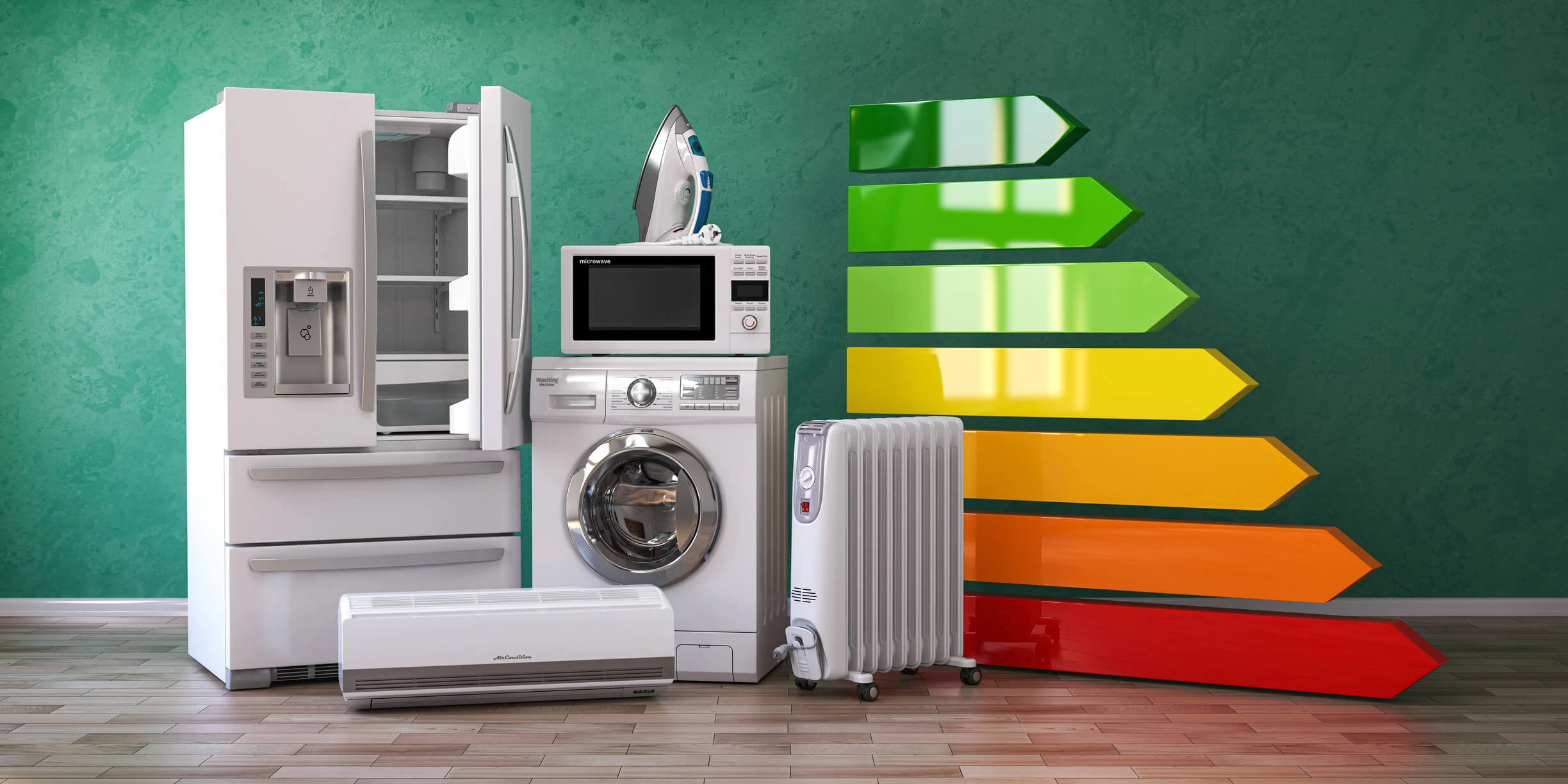
Efficient Home Appliances: A Key to Green Living
Published on: 2024-02-24
Welcome to our discussion on the significance of energy-efficient home appliances in promoting green living! In this blog post, we’ll explore why investing in energy-efficient appliances is crucial for reducing energy consumption, lowering utility bills, and minimizing environmental impact.
The Importance of Energy Efficiency
Energy-efficient home appliances consume less energy to perform their intended functions compared to standard appliances. By choosing energy-efficient models, homeowners can significantly reduce their household energy consumption, resulting in lower electricity bills and decreased greenhouse gas emissions.
Benefits of Energy-Efficient Appliances
-
Cost Savings: Energy-efficient appliances are designed to operate more efficiently, resulting in reduced energy consumption and lower utility bills over time. While the upfront cost of purchasing energy-efficient appliances may be higher, the long-term savings outweigh the initial investment.
-
Environmental Impact: Energy-efficient appliances help reduce the demand for electricity generated from fossil fuels, thereby lowering greenhouse gas emissions and mitigating climate change. By minimizing energy waste, these appliances contribute to a healthier and more sustainable environment.
-
Improved Performance: Energy-efficient appliances often feature advanced technologies and innovative designs that not only save energy but also deliver superior performance and functionality. From refrigerators to washing machines, energy-efficient models offer the same, if not better, performance than their conventional counterparts.
Common Energy-Efficient Appliances
-
Refrigerators: Energy-efficient refrigerators use advanced insulation materials, compressor technology, and temperature control features to minimize energy consumption while maintaining optimal food freshness and storage.
-
Washing Machines: High-efficiency washing machines use less water and energy per load, thanks to features such as automatic load sensing, variable speed motors, and advanced wash cycle options.
-
Dishwashers: Energy-efficient dishwashers feature advanced water and energy-saving technologies, such as soil sensors, efficient spray arms, and heat exchangers, to clean dishes effectively with minimal resource use.
Choosing Energy-Efficient Appliances
When shopping for new appliances, look for the ENERGY STAR® label, which indicates that the appliance meets or exceeds energy efficiency standards set by the U.S. Environmental Protection Agency (EPA). Additionally, consider factors such as size, capacity, and specific features to ensure that the appliance meets your needs while maximizing energy savings.
Conclusion
Investing in energy-efficient home appliances is a simple yet effective way to reduce energy consumption, lower utility bills, and promote sustainability. By choosing energy-efficient models and adopting energy-saving practices, homeowners can play a significant role in conserving energy and protecting the environment for future generations. Stay tuned for more tips and insights on green living!