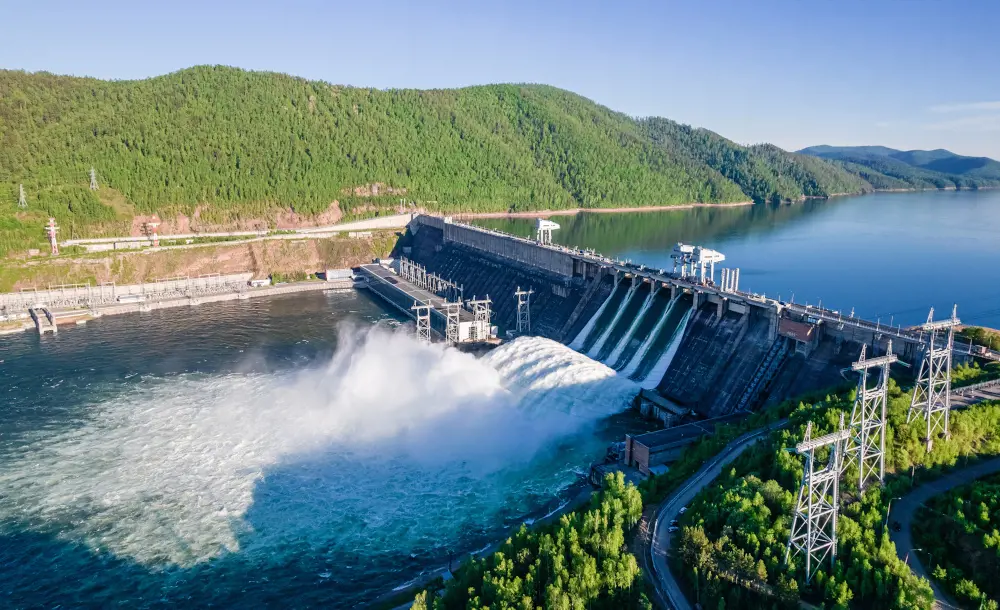
Hydro Power: Harnessing the Energy of Flowing Water
Published on: 2024-02-22
In this comprehensive blog post on hydro power, we’ll dive into the fascinating world of hydroelectricity, exploring its benefits, applications, and considerations for residential use.
Understanding Hydro Power
Hydro power, also known as hydroelectric power, harnesses the energy of flowing water to generate electricity. This renewable energy source utilizes the kinetic energy of water in motion, such as rivers, streams, or man-made channels, to turn turbines connected to generators, producing electricity.
Benefits of Hydro Power
-
Clean and Renewable: Hydro power generates electricity without emitting greenhouse gases or other pollutants, making it one of the cleanest and most environmentally friendly energy sources available.
-
Reliable and Predictable: Unlike solar and wind energy, which are intermittent, hydro power provides a reliable and consistent source of electricity, as water flow can be controlled and regulated to meet demand.
-
Energy Storage: Hydroelectric reservoirs can serve as energy storage systems, storing excess electricity during times of low demand and releasing it when demand is high, helping to stabilize the grid and support renewable energy integration.
-
Long Lifespan: Hydro power plants have a long lifespan, often operating for several decades with minimal maintenance requirements, providing a stable and cost-effective energy solution over time.
Applications of Hydro Power
-
Large-scale Hydroelectric Plants: These facilities harness the power of large rivers and waterfalls to generate electricity on a massive scale, supplying power to communities, industries, and regions.
-
Micro-Hydro Systems: Micro-hydro systems are smaller-scale installations designed for residential or small-scale commercial use. They typically utilize the flow of small streams or channels to generate electricity for off-grid or remote locations.
Considerations for Residential Use
-
Water Source Availability: Assess the availability and flow rate of a nearby water source, such as a stream or creek, to determine the feasibility of installing a micro-hydro system on your property.
-
Permitting and Regulations: Check local regulations and permitting requirements for installing a micro-hydro system, as certain restrictions may apply regarding water rights, environmental impact, and land use.
-
System Design and Installation: Work with a qualified hydro energy installer to design and install a micro-hydro system tailored to your specific site conditions and energy needs, ensuring optimal performance and safety.
Conclusion
Hydro power offers a clean, reliable, and renewable source of electricity with numerous benefits for residential and commercial applications. By understanding how hydroelectricity works and the considerations involved in its use, homeowners can explore the potential of harnessing the energy of flowing water to power their homes sustainably. Stay tuned for more informative posts on renewable energy solutions!