Harnessing the Wind: A Guide to Residential Wind Energy Systems
Published on: 2024-02-21
Welcome to our comprehensive guide on residential wind energy systems! In this blog post, we’ll delve into everything you need to know about harnessing the power of wind to generate electricity for your home.
Understanding Residential Wind Energy Systems
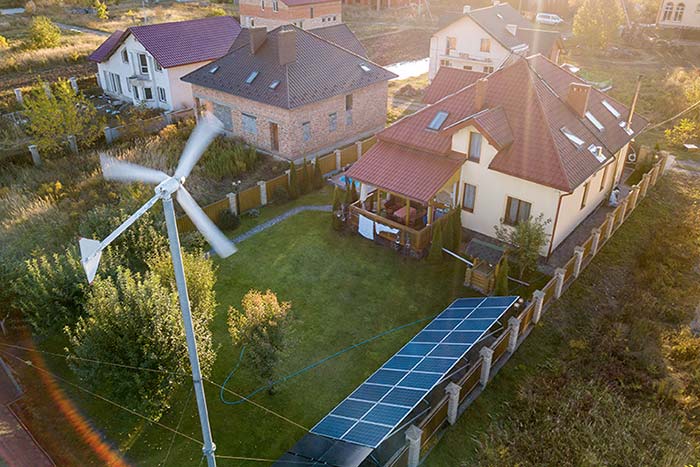
Residential wind energy systems, also known as small wind turbines, use wind power to generate electricity. These systems typically consist of a wind turbine, tower, and associated electrical components. As the wind blows, it spins the turbine’s blades, which then turn a generator to produce electricity.
Benefits of Residential Wind Energy Systems
-
Renewable and Clean: Wind energy is a renewable resource that produces electricity without emitting greenhouse gases or other pollutants, making it an environmentally friendly option for homeowners.
-
Energy Cost Savings: By generating your own electricity from wind power, you can reduce or eliminate your dependence on grid-supplied electricity, leading to significant cost savings over time.
-
Energy Independence: Residential wind energy systems provide homeowners with energy independence, allowing them to generate their own electricity and reduce reliance on traditional energy sources.
-
Low Environmental Impact: Compared to large-scale wind farms, residential wind turbines have a relatively low environmental impact, with minimal land and habitat disturbance.
The Installation Process
-
Site Assessment: Before installing a residential wind turbine, a site assessment is conducted to evaluate wind resources, zoning regulations, and potential obstacles such as nearby buildings or trees.
-
Tower Installation: A tower is erected to support the wind turbine at an optimal height to capture the maximum amount of wind energy. Tower height is determined based on local wind conditions and zoning requirements.
-
Turbine Installation: The wind turbine is mounted on the tower, and its blades are positioned to face into the prevailing wind direction. Electrical components, including a generator and inverter, are connected to the turbine to convert wind energy into usable electricity.
-
Interconnection: After installation, the wind energy system is interconnected with the local utility grid, allowing homeowners to sell excess electricity back to the grid through net metering programs where available.
Conclusion
Residential wind energy systems offer homeowners a clean, renewable source of electricity that can contribute to cost savings, energy independence, and environmental sustainability. By understanding how these systems work and the installation process involved, homeowners can make informed decisions about incorporating wind energy into their homes. Stay tuned for more informative posts on renewable energy solutions!